Specialized Scientific Research and Veterinary Services
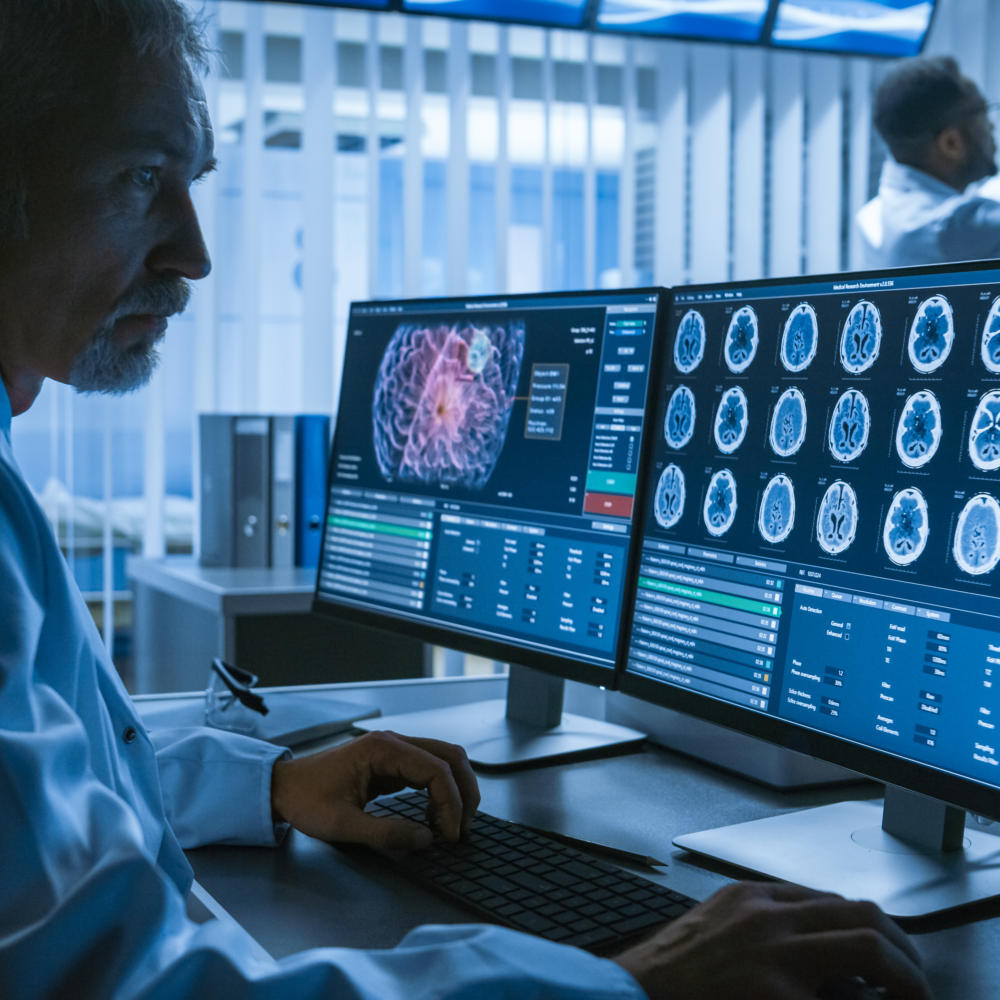
Conducting innovative translational research requires both computational approaches to model and predict the relationships between infectious agents and the host response, coupled with robust preclinical expertise to test resulting hypotheses and candidate therapeutics. Our research scientists apply their expertise using computational systems biology and bioinformatic approaches to model the complex biological systems associated with the transmission and pathogenesis of infectious diseases and to identify targets for new countermeasures and therapies. These prospective vaccines and drugs then must undergo rigorous testing, typically, first in the laboratory setting with surrogates, and progressing to preclinical models of infectious disease and other biodefense priority pathogens, to demonstrate safety and efficacy.
Executing this complex research requires advanced computational tools and expertise in computer science, biostatistics, mathematics, and physics to model, analyze, and extract information from vast biological datasets. Likewise, specialized facilities, technology, and training are required to ensure a systematic evaluation of candidate therapeutic agents while containing harmful pathogens. To support preclinical studies, our dedicated research staff provides expertise in veterinary sciences, as well as procedural support for laboratory animals housed in ABSL-2, -3, and -4, assisting with experimental design and selection of appropriate animal models, and performing advanced veterinary procedures and laboratory analyses within high-containment environments. Our specialized scientific research support is instrumental in identifying and developing candidate therapeutics, and providing scientists and physicians with valuable drug toxicity, safety, effectiveness, and pharmacodynamic information prior to transitioning to clinical stages of development.
Capabilities
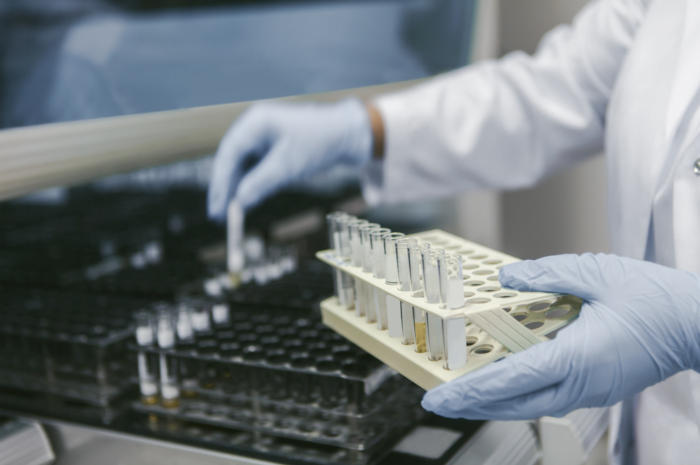
Bioinformatics & Biodefense
The refinement and proliferation of data, especially large research data bases, has significantly improved the reliability and validity of predicting biological functions and experimental outcomes and impacts through bioinformatics.
Bioinformatics & Biodefense

Veterinary Sciences
Disease processes involve interactions between multiple physiological systems and organs that cannot always be adequately replicated using cell and tissue models.
Veterinary Sciences

Pre-Clinical Research
Translational research requires robust preclinical testing to elucidate the validity, reliability, and feasibility of basic science hypotheses and candidate therapeutics.
Pre-Clinical Research
Get in touch today
Email Us
or call
301-770-6000