Laboratory Services
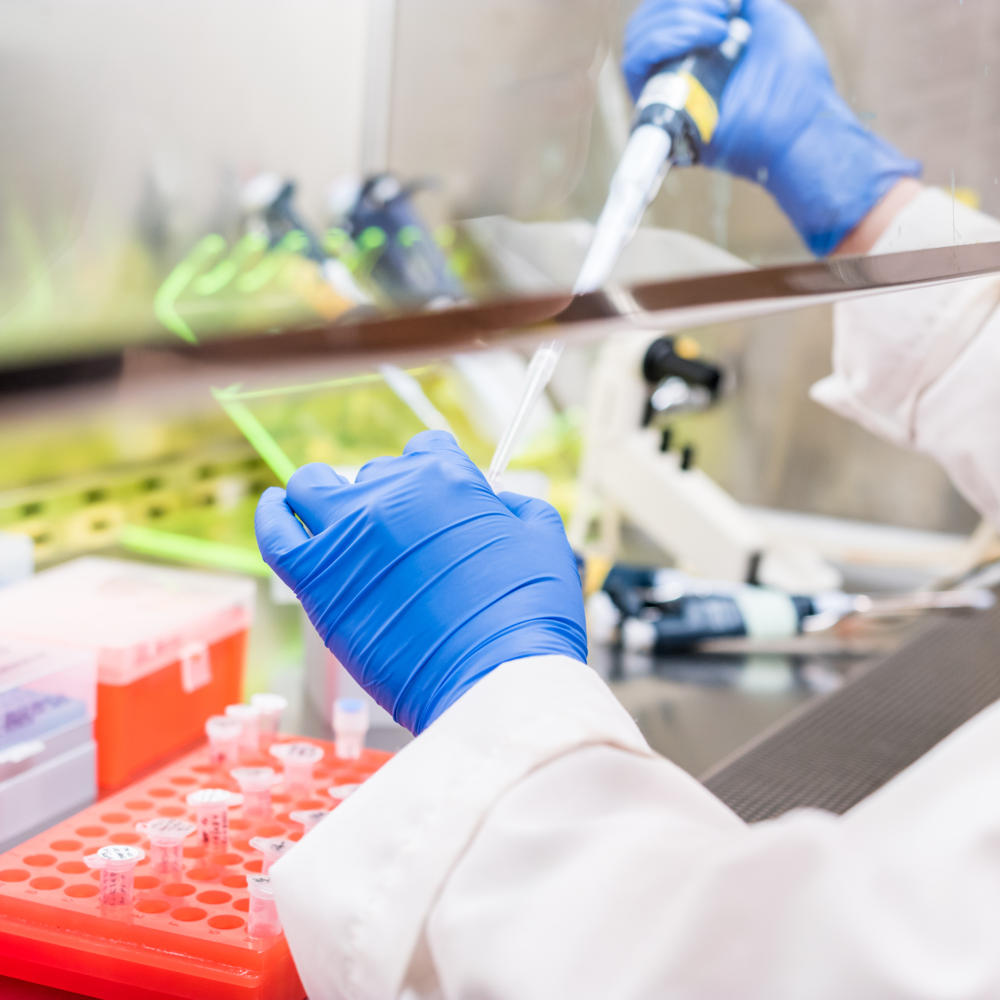
Innovation that leads to the understanding, treatment, and prevention of infectious and immunologic diseases often begins in the laboratory setting. Laboratory sciences drive discovery and aid in understanding the etiology and underlying characteristics of disease, such as the immune system response, and the genetic determinants of disease transmission. The use of comprehensive, accurate, and reliable laboratory sciences is an essential step for systematically developing safe and efficacious diagnostics and therapies to prevent and treat diseases.
Our Life Scientists and Laboratory Technicians have extensive experience applying the advanced analytical tools and techniques used in the exploratory stages of development, such as flow cytometry, fluorescence imaging, microscopy, quantitative PCR, and spectroscopic techniques, that are required to understand and measure the biological mechanisms that contribute to disease states. Our scientists routinely perform their research in specialized, high-containment Biosafety Level (BSL) -1, -2, -3, -3AG, -4 laboratories, while implementing good laboratory practices (GLP) to ensure quality, reliability, and reproducibility of laboratory testing. In addition, we support scientific research on viral agents, such as Ebola, Zika, MERS, adenoviruses, and flaviviruses to understand transmission, pathogenesis, and host immune responses. Our broad expertise in the disciplines of analytical chemistry, biochemistry, microbiology, immunology, genomics, and proteomics, enables our scientists to apply a holistic approach to developing innovative therapies, vaccines, diagnostic tests, and other technologies to solve intractable diseases and disorders that affect the health and wellness of millions of people around the globe.
Capabilities

Analytical & Biochemistry
A wide array of analytical and biochemistry tools is necessary to understand the role, function, and structure of biomolecules in disease pathology. The insights gained through basic science investigations are then used to identify and validate potential molecular targets and countermeasures for development of new drugs, vaccines, and diagnostics.
Analytical & Biochemistry
Microbiology and Immunology
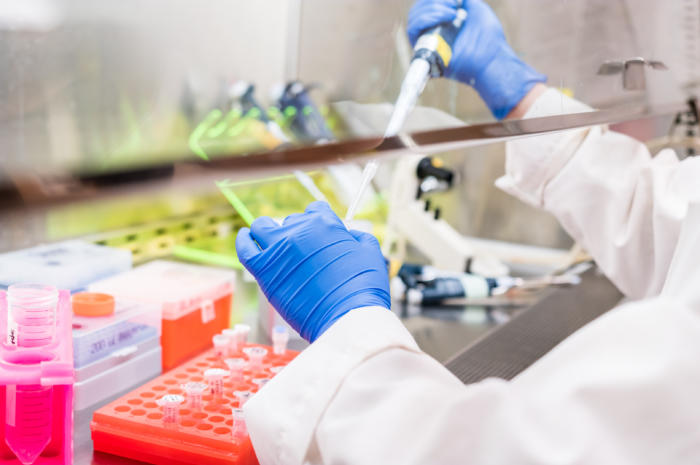
Recent biomedical research has demonstrated that the human immune system holds the key to unlocking potential solutions to many current incurable disease states.
Microbiology and Immunology
Genomics & Proteomics
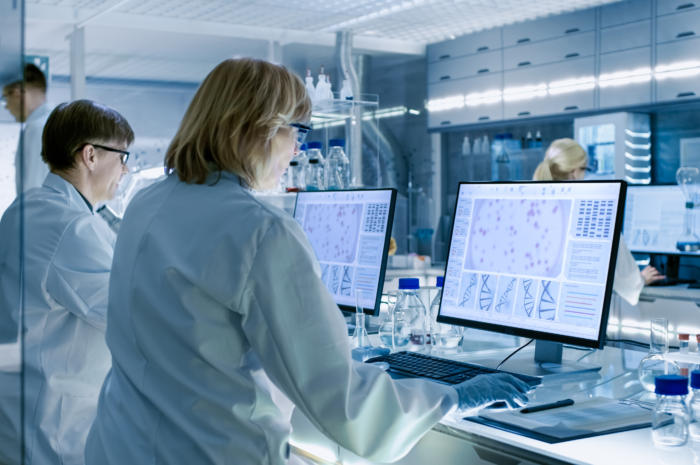
Genetic information from bacteria, viruses, and other pathogens provides an abundance of information about the sources and transmission of infectious diseases and antimicrobial resistance patterns.
Genomics & Proteomics
Get in touch today
Email Us
or call
301-770-6000