07.23.2026
Employee Spotlight! CAMRIS Project Manager Reena Naranjo
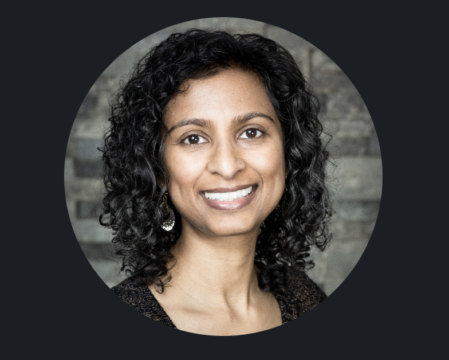
We recently spoke with Reena Naranjo, a CAMRIS Project Manager supporting the Clinical Trials Section (CTS) within the National Institute on Deafness and Other Communication Disorders (NIDCD) extramural program, about her work navigating the operational and regulatory aspects of clinical research and building a lasting support infrastructure for study teams. In this interview, she shares how her daily work translates to better patient outcomes, her approach to aligning diverse stakeholders through value-based communication, and her advice for those interested in building a career in clinical trial project management and operations.
CAMRIS: Please describe your role with the National Institute on Deafness and Other Communication Disorders (NIDCD).
Reena: I support the Clinical Trials Section (CTS) within NIDCD’s extramural program. They partner with clinical investigators across the country to conduct research on new therapies, medical devices, and interventions for hearing, balance, voice, speech, language, and other communication disorders. My role has two main focuses: supporting active study teams as they navigate the operational and regulatory aspects of clinical trials and helping CTS build a lasting support infrastructure for studies through practical resources and tools. It’s incredibly rewarding to help turn innovative research ideas into well-executed clinical trials while creating resources that will continue to benefit investigators long after an individual study is complete.
CAMRIS: What does a typical day look like for you as a Project Manager for the NIDCD Clinical Trials Section (CTS)?
Reena: No two days are exactly alike, and that’s one of the things I enjoy most about clinical research. Along with my colleague, who specializes in quality management, we support 9 to 12 studies at various stages of the clinical trial lifecycle. One day we might be helping a new study establish procedures and prepare for institutional review board (IRB) approval, and the next we could be reviewing study documents, helping investigators interpret regulatory requirements, or providing guidance on closing a study. At the same time, we’re developing a library of practical templates, checklists, and guidance documents that can help both current and future study teams navigate clinical research more efficiently. I like to think of our team as a combination of project managers, problem-solvers, and translators: we help turn complex regulations and processes into practical solutions, so research teams can stay focused on conducting great science.
CAMRIS: You hold a Master of Arts in Health Communication and have a strong record of connecting scientific investigators, the U.S. Food and Drug Administration (FDA), and Institutional Review Boards (IRBs). How do you use your communication expertise to support collaboration among these stakeholders and help ensure pre-implementation requirements are met efficiently?
Reena: Clinical trials bring together experts from many different disciplines, and each group has its own priorities, terminology, and perspective. One of my favorite parts of the job is helping everyone stay aligned around the same goal: conducting safe, ethical, high-quality research. Sometimes that means translating complex regulatory requirements into practical steps for a study team. Other times it’s facilitating conversations to help stakeholders reach consensus. Value-based communication builds trust. Clear communication prevents misunderstandings. When applied together, studies can move forward while ensuring important requirements aren’t overlooked.
CAMRIS: Can you share one project or initiative you are especially proud of supporting at NIDCD, and what made it particularly meaningful or challenging?
Reena: I'm especially proud of our toolbox initiative, which is creating a library of practical resources that investigators can use throughout the entire clinical trial lifecycle, from study startup to closeout. It’s been one of the more challenging projects I’ve worked on because every tool requires balancing different stakeholder perspectives and deciding how much guidance is “just right.” Too much detail can make a resource overwhelming, while too little can make it less useful. Finding that sweet spot takes a lot of collaboration, thoughtful discussion, and thinking outside of the box. What makes the project so meaningful is knowing these resources aren’t just to support one study; they’ll help future research teams work more efficiently and consistently for years to come.
CAMRIS: CAMRIS is dedicated to improving lives at home and abroad through innovative health solutions and rigorous clinical research. How does your daily work in accelerating study startup and ensuring the scientific integrity of NIDCD trials ultimately translate into better outcomes for the patient populations we serve?
Renna: Behind every protocol, milestone, checklist, and regulatory document are people who are hoping for better treatments and better quality of life. While I don’t interact directly with study participants, I have a deep appreciation for the operational decisions we make. I have seen repeatedly that these decisions can have a meaningful impact on how efficiently and effectively a study is conducted. Whether we’re helping investigators launch studies more smoothly or building resources that make future trials easier to conduct, the goal is the same: enabling high-quality, reliable research that can ultimately improve care for you, me, or someone we know. Being part of that process is both motivating and incredibly rewarding.
CAMRIS: What advice would you give to current or recent graduates who are interested in building a career in clinical trial project management and operations?
Reena: Never underestimate the value of a great project manager. It’s not always the most visible or exciting role on a study. There will be times when others don’t fully appreciate what project management brings to the table. But I’ve seen firsthand how strong project management can be the difference between a study that runs smoothly and one that struggles with avoidable setbacks. Have confidence in the value you bring, and don’t be afraid to step into the role of connector. Great project managers bring people together, keep communication flowing, anticipate challenges before they become problems, and help everyone stay focused on the bigger picture. When the science is strong and the operations are strong, life-changing research has the best opportunity to succeed.